Easy Scalloped Potatoes from Scratch (Creamy, Cheesy and Make-Ahead)
4:47 p.m. The sky outside is already turning navy, the furnace just clicked on, and dinner is still hours away. You’re not hungry enough for a full plate, but you want something. Something warm and a little indulgent that you can eat from a small bowl while standing by the stove. That exact moment is what scalloped potatoes were made for.
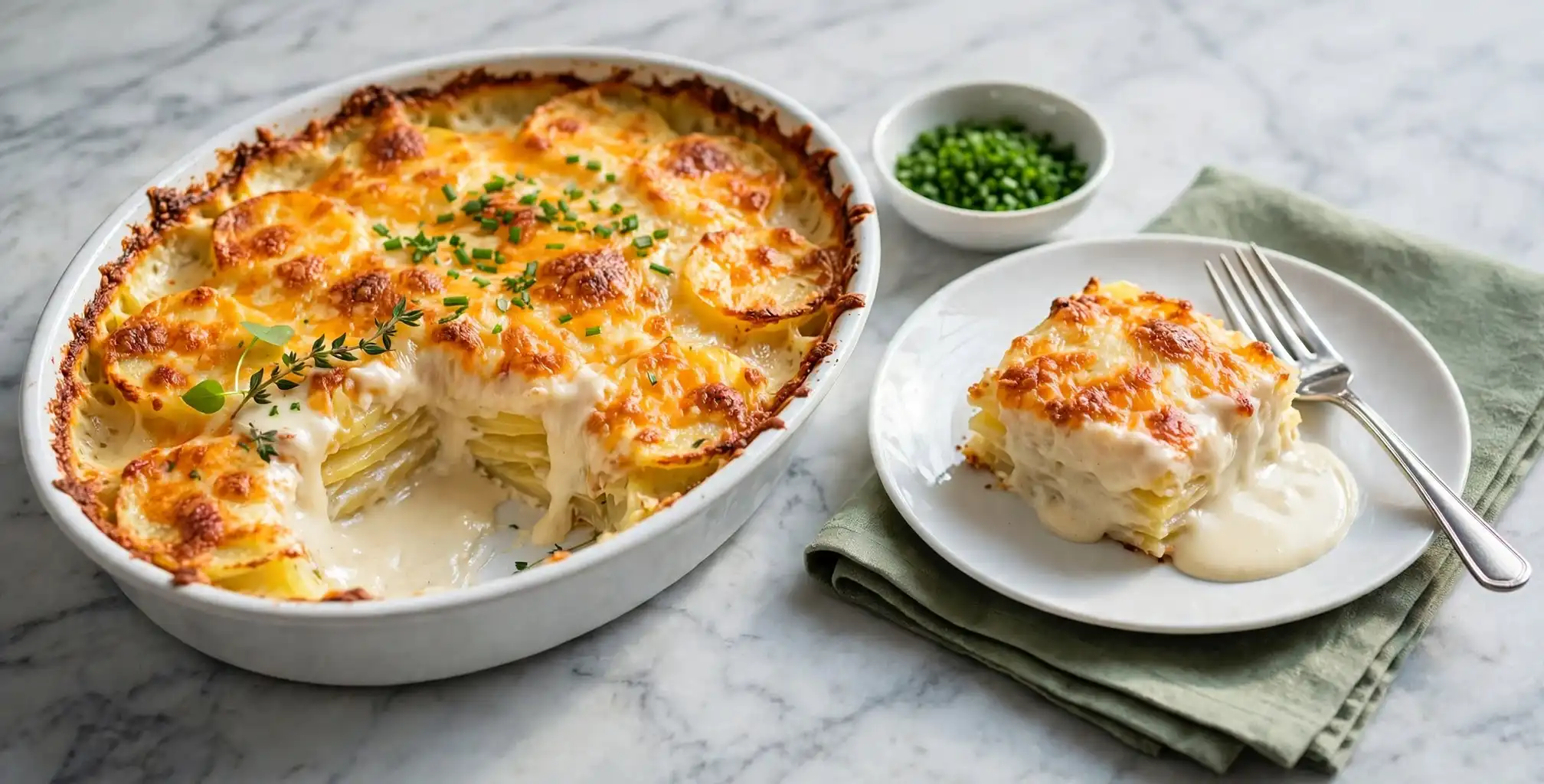
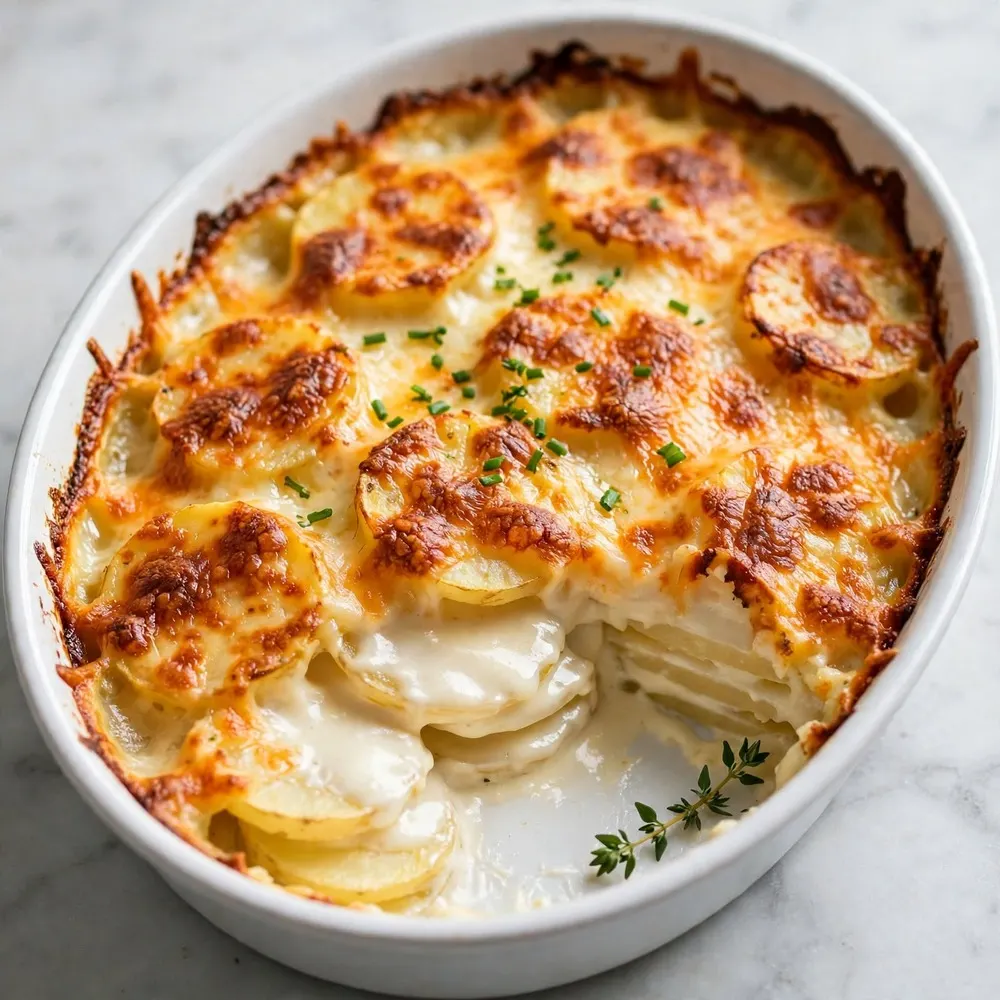
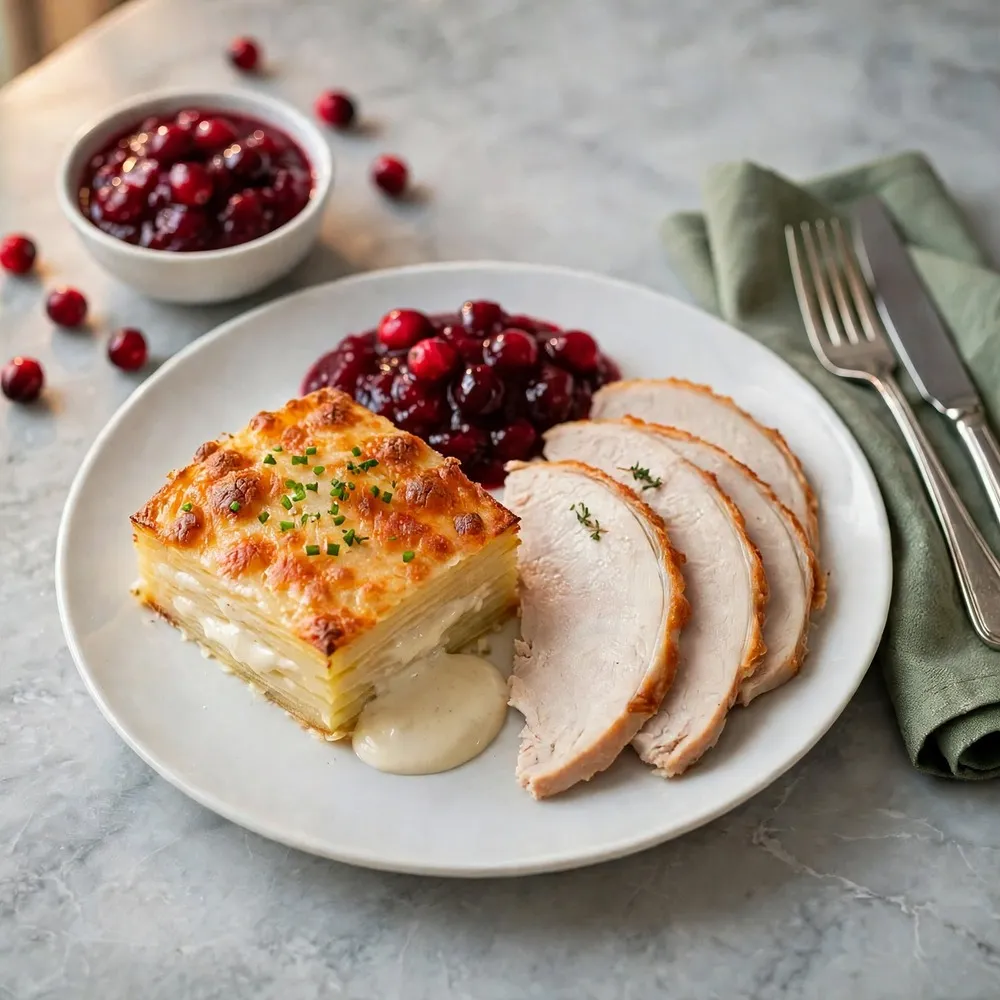
Picture thin potato slices stacked like fallen dominoes, each one soaked in garlicky cream until it turns silky and tender. The top bakes into a bubbling, golden lid of sharp cheddar and Gruyère, crisp at the edges and soft underneath. Press a spoon in and the sauce slips loose in thick, glossy ribbons, while the smell of butter, thyme and nutty cheese drifts through every room.
This version is made from scratch with a quick stovetop cream sauce, so it never curdles or turns watery. Below you’ll find why it works, smart swaps, and a make-ahead plan that fits a cozy weeknight or a packed Thanksgiving oven.
Why This Recipe Works
- Yukon Gold potatoes hold their shape, because their medium starch sits between waxy and floury, giving tender slices that don’t turn to mush.
- A stovetop cream sauce keeps the dish smooth, since a little flour stabilizes the dairy so it won’t curdle in the oven.
- Thin, even 1/8-inch slices cook at the same rate, so you never bite into a crunchy, underdone layer.
- Baking covered, then uncovered, gives the best of both, because trapped steam softens the potatoes first and dry heat browns the cheese last.
- Two cheeses build real flavor, with sharp cheddar adding tang and Gruyère adding nutty, melty depth.
- These scalloped potatoes can be assembled a day ahead, which frees up your oven and your stress level on a busy holiday.
Ingredient Notes
- Yukon Gold potatoes: the backbone of good scalloped potatoes; choose firm, similar-sized ones with smooth skin and no green patches.
- Unsalted butter: cooks the onion and starts the sauce; unsalted lets you control the final seasoning.
- Yellow onion: adds gentle sweetness; dice it very finely so it melts into the sauce.
- Garlic: gives savory depth; fresh cloves taste brighter than jarred.
- All-purpose flour: thickens the sauce and keeps the dairy from separating in the oven.
- Whole milk: forms the body of the sauce; lower-fat milk can turn thin and grainy.
- Heavy cream: adds richness and protects against curdling during the long bake.
- Kosher salt and black pepper: season every layer; potatoes need more salt than you’d expect.
- Ground nutmeg: a tiny pinch makes the cream taste rounder without tasting like dessert.
- Fresh thyme: brings an earthy, herby note that pairs well with cheese.
- Sharp cheddar: gives tang and color; shred it from a block, since pre-shredded cheese has starch coatings that melt grainy.
- Gruyère: melts smoothly and adds a nutty, slightly sweet flavor.
- Fresh chives: a bright, oniony garnish that cuts through the richness.
Substitutions Table
| Ingredient | Substitute | Effect on Result |
|---|---|---|
| Yukon Gold potatoes | Russet potatoes | Softer, fluffier slices that fuse together more; slightly thicker sauce |
| Heavy cream | Half-and-half | Lighter dish with a slightly thinner sauce |
| Whole milk | 2% milk | Works, but the sauce is less silky |
| Gruyère | Swiss, Fontina or Gouda | Similar melt; Gouda adds a mild smoky sweetness |
| Sharp cheddar | Monterey Jack or Colby | Milder, creamier flavor and a paler top |
| All-purpose flour | 2 tbsp cornstarch | Gluten-free; slightly glossier sauce |
| Fresh thyme | 1/2 tsp dried thyme | Same flavor, slightly less fresh |
| Yellow onion | 2 shallots | Sweeter, more delicate flavor |
Equipment Needed
- 9×13-inch (3-quart) baking dish: a shallower dish gives more golden, crispy top per serving.
- Mandoline slicer or sharp chef’s knife: even slices matter more than anything else for even cooking; use the hand guard on a mandoline.
- Large saucepan
- Whisk: for a lump-free sauce.
- Box grater
- Aluminum foil: to cover the dish for the first part of baking.
Step-by-Step Directions
1. Heat the Oven and Prep the Dish
Preheat the oven to 375°F and grease a 9×13-inch baking dish with butter.
Buttering the sides as well as the bottom stops the cheesy edges from welding to the dish.
2. Slice the Potatoes
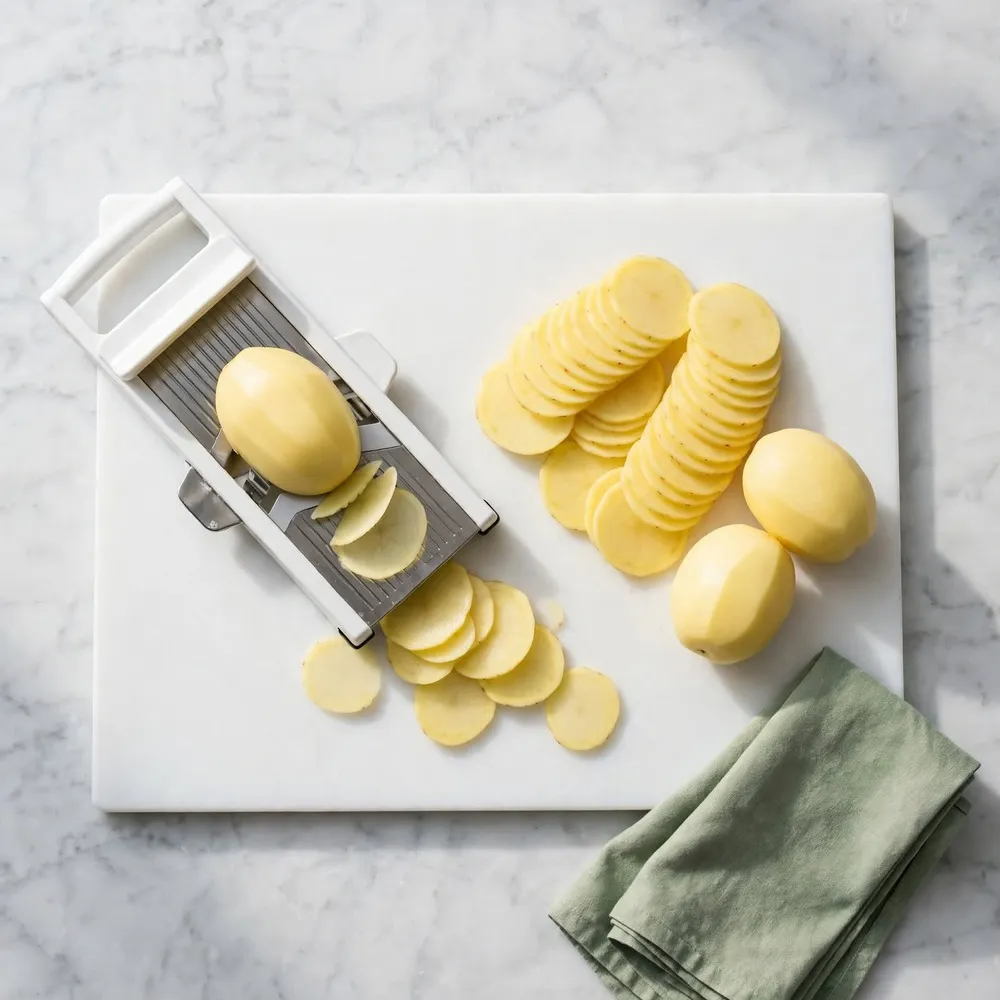
Peel the potatoes and slice them into even 1/8-inch rounds.
Don’t rinse the slices; the surface starch helps thicken the sauce. Slice just before layering so they don’t brown.
3. Start the Cream Sauce
Melt the butter in a large saucepan over medium heat, add the onion and cook for 3–4 minutes, then stir in the garlic for 30 seconds.
Keep the heat at medium; browned garlic tastes bitter in a cream sauce.
4. Thicken and Season the Sauce
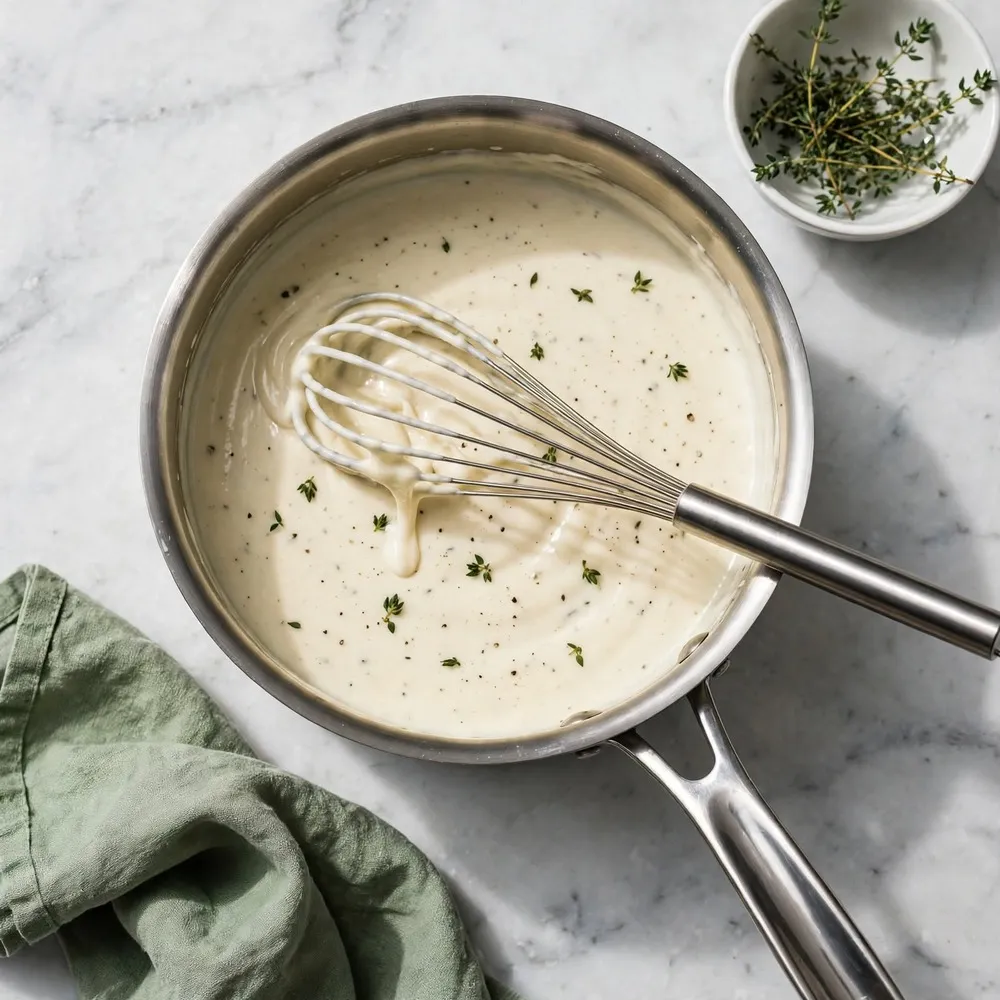
Whisk in the flour and cook for 1 minute, then slowly pour in the milk and cream while whisking. Simmer for 3–5 minutes, then season with salt, pepper, nutmeg and thyme.
It’s ready when it coats the back of a spoon and a finger swipe leaves a clean line.
5. Build the First Layer
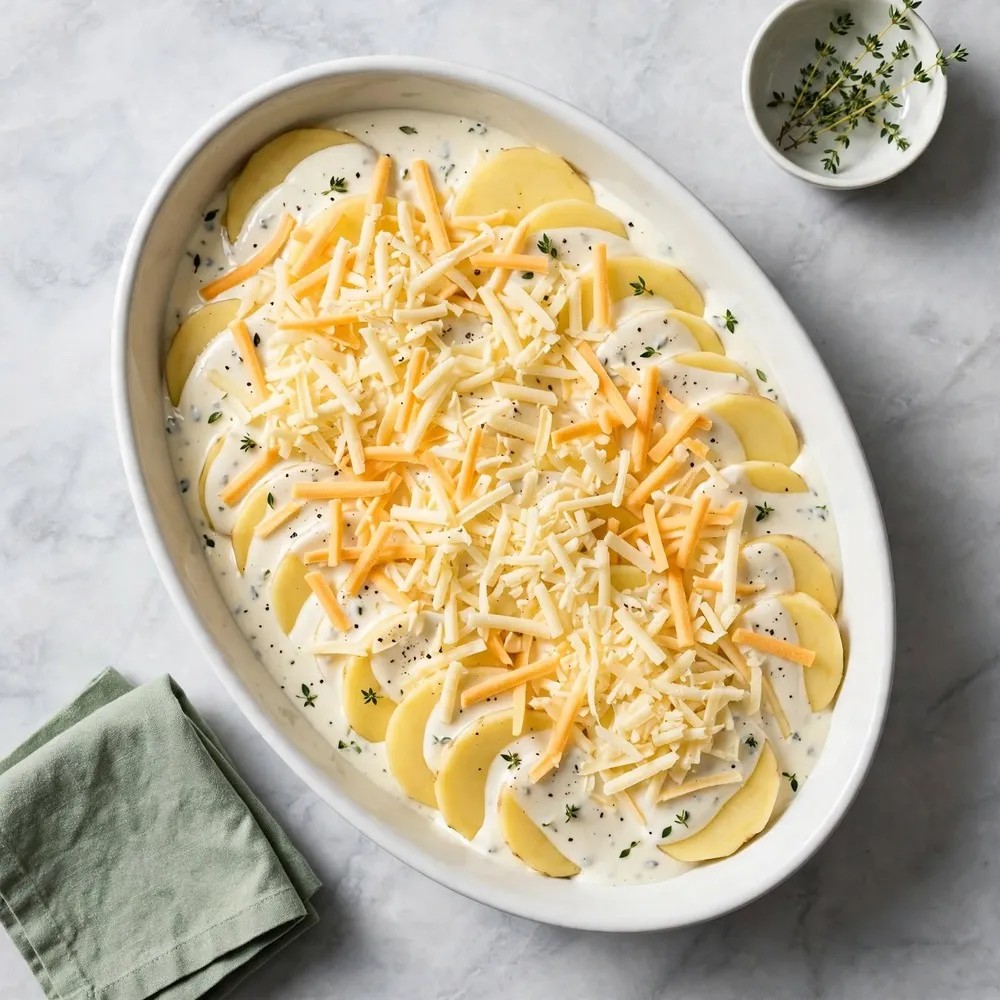
Arrange half the potato slices in the dish in overlapping rows, pour over half the sauce, and sprinkle with half the cheddar and Gruyère.
Overlapping the slices like shingles helps the layers cook evenly and slice neatly later.
6. Add the Second Layer
Repeat with the remaining potatoes and sauce, then top with the rest of the cheese. Press the top layer down gently with a spatula.
Pressing pushes the sauce up around the slices so the top potatoes don’t dry out.
7. Bake Covered
Cover the dish tightly with foil and bake for 45 minutes.
The foil traps steam, which softens the potatoes before the top has a chance to burn.
8. Uncover and Brown
Remove the foil and bake for 30–40 minutes more, until the top is deep golden and bubbling.
A paring knife should slide through every layer with no resistance; if not, give it 10 more minutes.
9. Rest Before Serving
Let the scalloped potatoes rest for 15 minutes, then garnish with chives.
Resting lets the sauce settle and thicken, so each scoop holds its layers instead of running.
Recipe Card
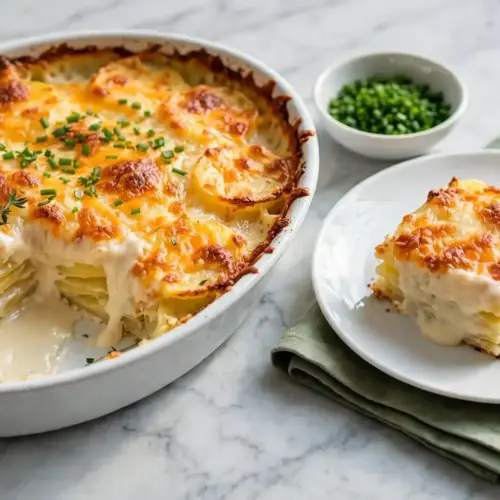
Scalloped Potatoes
Ingredients
- 3 lb Yukon Gold potatoes peeled and sliced 1/8 inch thick
- 4 tbsp unsalted butter plus extra for the dish
- 1 small yellow onion very finely diced
- 4 garlic cloves minced
- 1/4 cup all-purpose flour
- 2 cups whole milk
- 1 cup heavy cream
- 1 1/2 tsp kosher salt
- 1/2 tsp black pepper
- 1/4 tsp ground nutmeg
- 1 tsp fresh thyme leaves
- 1 1/2 cups shredded sharp cheddar
- 1 cup shredded Gruyère
- 2 tbsp chopped fresh chives for garnish
Instructions
- Preheat the oven to 375°F and butter a 9×13-inch baking dish.
- Peel the potatoes and slice them into even 1/8-inch rounds. Don’t rinse them.
- Melt the butter in a large saucepan over medium heat. Cook the onion for 3–4 minutes, then add the garlic for 30 seconds.
- Whisk in the flour and cook for 1 minute. Slowly whisk in the milk and cream, then simmer for 3–5 minutes until thick enough to coat a spoon. Season with salt, pepper, nutmeg and thyme.
- Layer half the potatoes in overlapping rows, pour over half the sauce, and sprinkle with half of both cheeses.
- Repeat with the remaining potatoes, sauce and cheese. Gently press the top layer down.
- Cover tightly with foil and bake for 45 minutes.
- Uncover and bake for 30–40 minutes more, until golden, bubbling and tender when pierced with a knife.
- Rest for 15 minutes, garnish with chives and serve.
Notes
- Make ahead: assemble, cover and refrigerate up to 24 hours. Add 10–15 minutes to the covered bake time.
- Slicing: even thickness matters most; a mandoline makes this quick.
- Cheese: shred your own from a block for the smoothest melt.
- Doneness check: a knife should slide through every layer with no resistance.
Nutrition (per serving)
Calories: 475 kcal · Carbohydrates: 37g · Protein: 15g · Fat: 30g · Saturated Fat: 18g · Cholesterol: 95mg · Sodium: 460mg · Potassium: 820mg · Fiber: 3g · Sugar: 5g · Calcium: 380mg
Nutrition values are approximate and calculated for 8 servings.
Tips for the Best Results
Ingredient Tips
- Pick potatoes of a similar width so every slice in the dish is roughly the same size.
- Bring the milk and cream to room temperature before adding them; cold dairy can make the sauce lumpy.
- Grate the cheese while the sauce simmers so it’s ready the moment you start layering.
Mixing Tips
- Add the dairy a splash at a time for the first cup, whisking constantly, then pour in the rest.
- Taste the sauce before layering; it should taste slightly too salty, because the potatoes absorb a lot of seasoning.
- Spoon sauce between a few slices as you layer so no pocket of potatoes stays dry.
Baking Tips
- Bake the scalloped potatoes on the center rack so the top browns without scorching the bottom.
- Place a sheet pan on the rack below to catch any bubbling cream.
- If the top browns before the potatoes are tender, lay the foil back over loosely and keep baking.
Troubleshooting Guide
Why are my scalloped potatoes watery?
The sauce was too thin or the dish was served too hot. Simmer the sauce until it coats a spoon, and always rest the dish 15 minutes before cutting in.
Why did my cream sauce curdle?
Low-fat milk or very high heat makes the dairy separate. Use whole milk and cream, keep the flour in the sauce, and bake at 375°F, not hotter.
Why are my scalloped potatoes still hard in the middle?
The slices were too thick or uneven, or the dish wasn’t covered long enough. Slice to 1/8 inch, bake covered for the full 45 minutes, and test with a knife before serving.
Why is the cheese on top greasy?
Pre-shredded cheese or overbaking can make the fat separate. Shred cheese from a block and pull the dish once the top is golden and bubbling.
How do I stop scalloped potatoes from burning on top?
The top was exposed too early or the dish sat too high in the oven. Keep it covered for the first 45 minutes and bake on the center rack, tenting with foil if needed.
Flavor Variations
Ham and Cheese
Layer 2 cups of diced cooked ham between the slices for a hearty dish that works as a main.
Bacon and Green Onion
Scatter crisp, crumbled bacon and sliced green onions over the top layer before baking.
Garlic Parmesan
Swap the cheddar for grated Parmesan and double the garlic for a sharper, Italian-style flavor.
Sweet Potato Swirl
Replace half the Yukon Golds with thinly sliced sweet potatoes for a pretty orange-and-gold pattern.
Smoky Chipotle
Stir 1 teaspoon of chipotle chili powder into the sauce and use smoked Gouda for a warm, smoky twist on classic scalloped potatoes.
Serving Options
Next to a Holiday Turkey
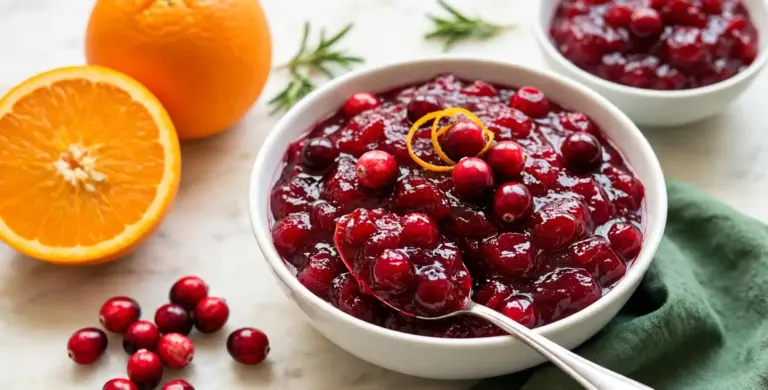
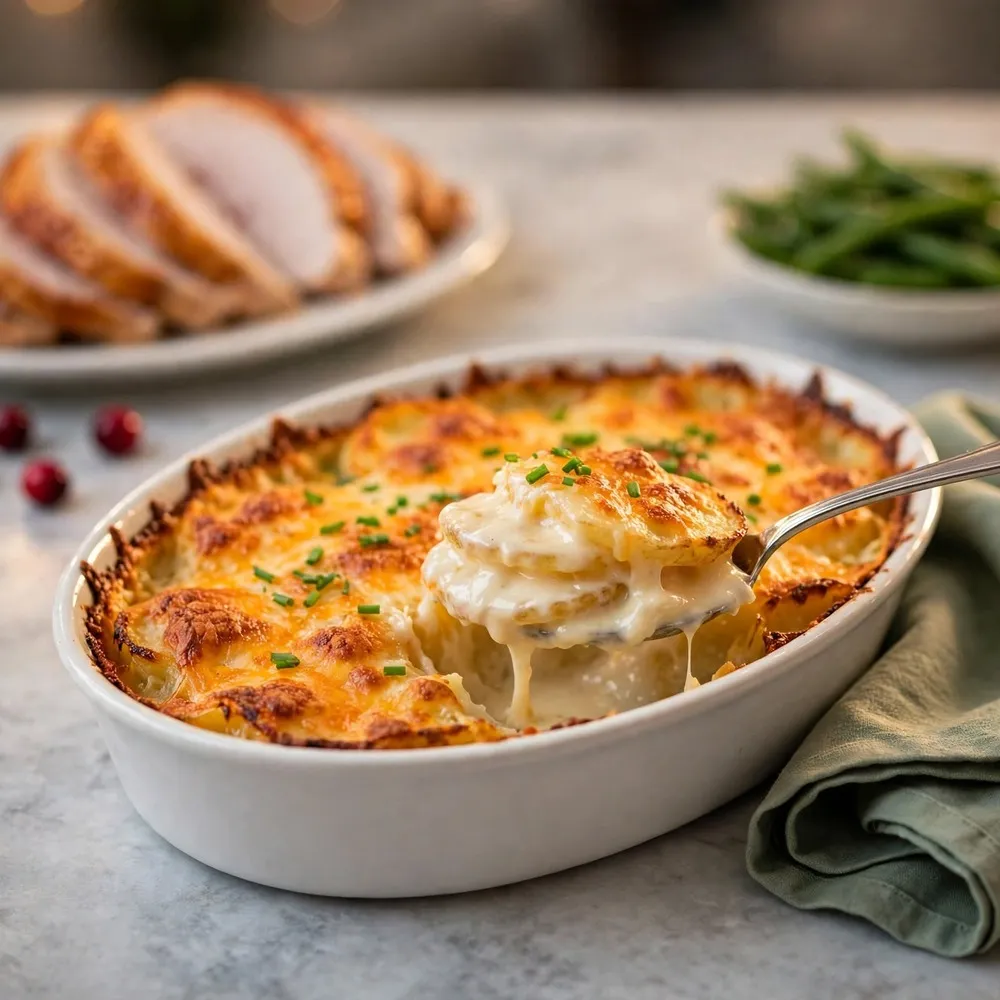
Spoon a creamy square beside sliced roast turkey and cranberry sauce for a classic Thanksgiving plate.
Alongside a Weeknight Roast Chicken
Pair a simple roast chicken or pan-seared chicken thighs with scalloped potatoes for a cozy Sunday-style dinner any night.
With Something Green
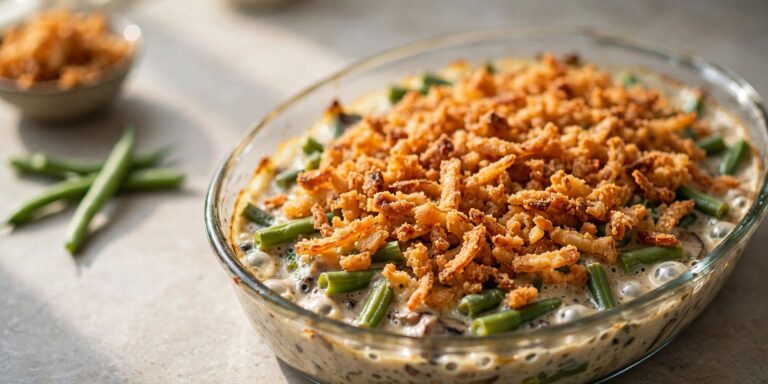
Balance the richness with green bean casserole, roasted Brussels sprouts or a crisp lemony salad.
For a Holiday Brunch
Serve a warm scoop next to fried eggs and fresh fruit for a slow, indulgent brunch.
Storage and Freezing
Room Temperature Storage
Don’t leave scalloped potatoes out for more than 2 hours, since the dairy-rich sauce spoils quickly. Cover leftovers and refrigerate for up to 4 days.
Freezing
Cool the dish completely, then wrap it tightly in plastic wrap and foil, or portion it into airtight containers. Frozen scalloped potatoes keep well for up to 3 months, though the sauce may be slightly softer once thawed.
Thawing
Thaw overnight in the fridge, then reheat covered at 350°F for 25–35 minutes until hot in the center. Uncover for the last 5 minutes to crisp the top again.
Frequently Asked Questions
What is the difference between scalloped potatoes and au gratin?
Traditionally, the scalloped version is baked in a cream sauce without cheese, while au gratin always has cheese and often breadcrumbs. Today the lines blur, and many American cooks, including me, add cheese to both. This recipe sits happily in the middle: creamy like scalloped, golden like gratin.
Can I make scalloped potatoes ahead of time?
Yes. Assemble the dish, cover it tightly and refrigerate for up to 24 hours. Bake straight from the fridge, adding 10–15 minutes to the covered baking time.
Do you have to boil potatoes before making scalloped potatoes?
No. When the slices are 1/8 inch thick and the dish is covered for the first 45 minutes, raw potatoes cook through completely in the sauce. Parboiling only adds a step and can make the slices fall apart.
What are the best potatoes for scalloped potatoes?
Yukon Golds are the best all-round choice because they’re creamy but hold their shape. Russets work too, but they’re softer and the layers blend together more. Red potatoes stay firm but absorb less sauce.
How long do scalloped potatoes take to bake at 375°F?
About 75–85 minutes in total: 45 minutes covered, then 30–40 minutes uncovered. Always check with a knife, since slice thickness and dish depth can change the timing.
Can I make scalloped potatoes without cheese?
Absolutely. Leave out both cheeses and add an extra 1/2 teaspoon of salt to the sauce. You’ll get a lighter, more traditional dish that’s still rich and creamy.
How do I reheat scalloped potatoes without drying them out?
Add a splash of milk over the top, cover with foil and warm at 350°F for 20–25 minutes. For a single portion, microwave it covered at 50% power, stirring the sauce gently halfway.
Related Recipes
If this cozy, cheesy side won you over, these recipes belong on the same table:
- Creamy Mashed Potatoes (Homemade and Make-Ahead)
- Classic Green Bean Casserole
- Sweet Potato Casserole with Pecan Topping
- Homemade Pumpkin Pie for Thanksgiving