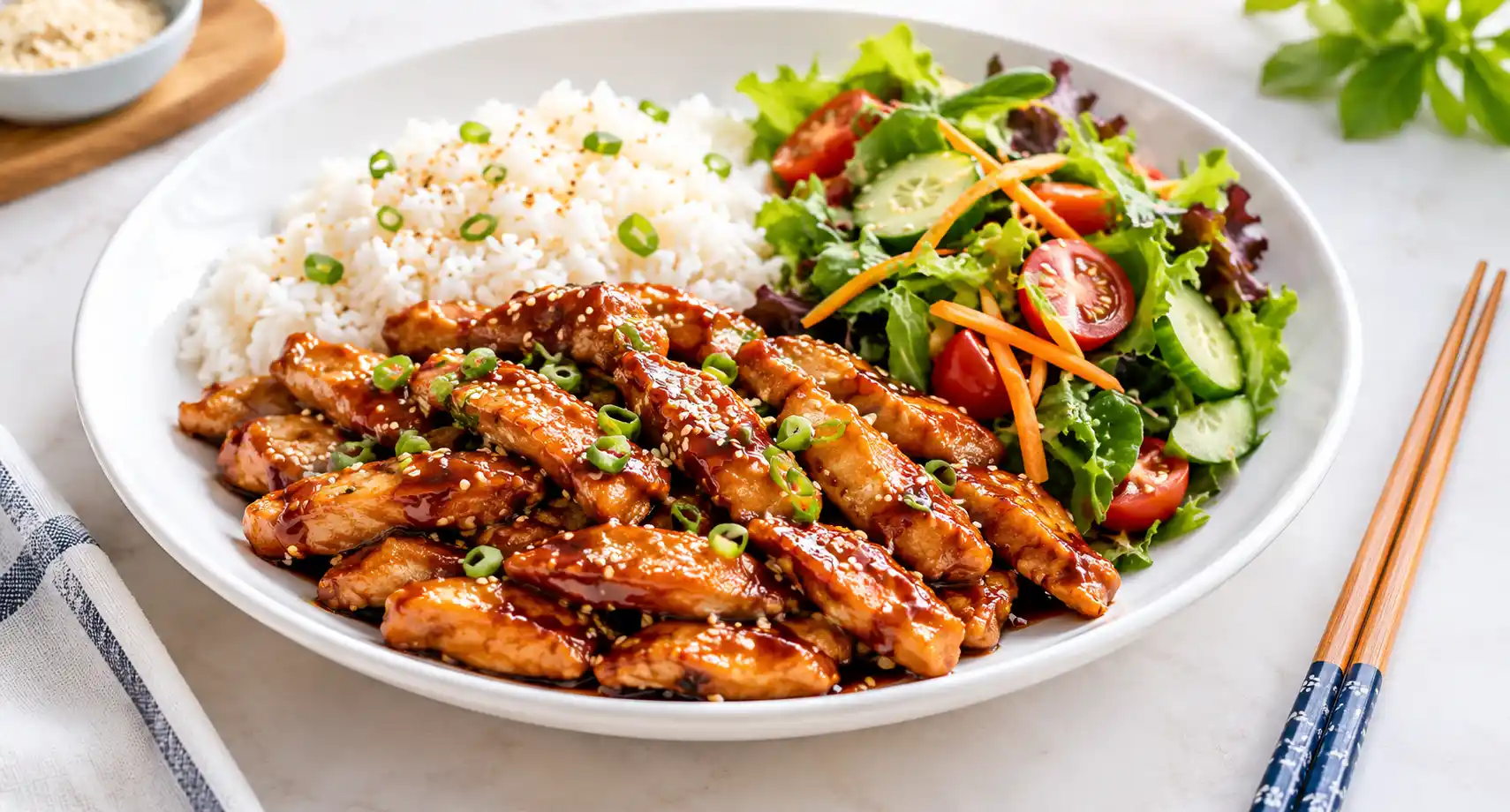
Crispy Teriyaki Chicken Strips with a Sticky Honey Glaze
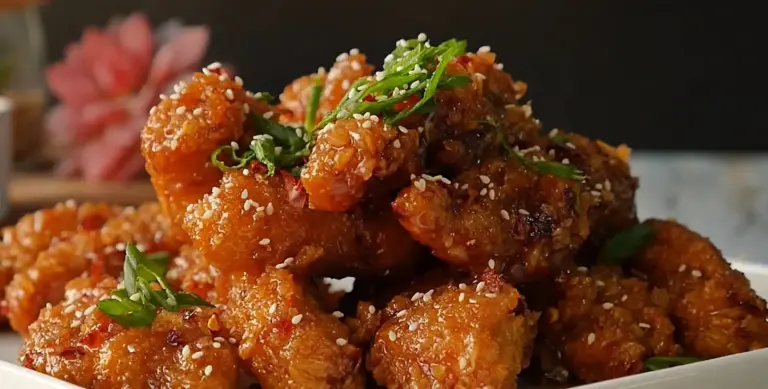
It’s 6 p.m., everyone’s hungry, and what you really want is that sticky, glossy takeout chicken, without the 45-minute delivery wait or the soggy container. This teriyaki chicken gets you there in about 30 minutes, with pantry staples and just one pan for the sauce. Most recipes simmer plain chicken right in the sauce. I dredge finger-cut strips in peppery flour and fry them first, so every bite keeps a little crunch under the glaze, and a splash of Worcestershire adds a savory depth you won’t find in bottled sauce.
The first time I made this, I used way too much honey and the glaze turned into candy. A few batches later, I landed on the ratio in this recipe, and it’s been my go-to ever since. Picture golden strips with a lacquered, amber coating, a hit of salty soy, then a mellow sweetness that lingers. It works for a hurried Tuesday, a lunchbox that actually gets eaten, or a snack platter when friends come over to watch the game.
Let’s get cooking.
Why This Recipe Works
- It stays crispy under the glaze because the flour coating fries into a crust that grabs the sauce instead of letting it slide off.
- It cooks fast because thin, even finger strips cook through in 5 to 7 minutes.
- The sauce is balanced because soy sauce brings the salt while honey and brown sugar bring the sweetness, so neither one takes over.
- The flavor runs deep because Worcestershire adds tang and umami that make this teriyaki chicken taste slow-cooked.
- It uses pantry basics because honey and brown sugar do the sweetening work that mirin or sake usually do.
- It’s kid-friendly because the only heat comes from black pepper, so spice-shy eaters enjoy it too.
Ingredient Notes
- Chicken breast: The main protein. Cut it into even ½-inch strips so every piece cooks at the same rate.
- All-purpose flour: Builds the crisp coating. Spoon it into the cup and level it off rather than scooping.
- Salt and black pepper: Season the coating. Keep the salt light, since the soy sauce adds plenty later.
- Neutral oil: For shallow frying. Vegetable, canola, or peanut oil all handle the heat well.
- Soy sauce: The salty, savory backbone of the glaze. Low-sodium soy sauce gives you more control over salt.
- Brown sugar: Adds sweetness and a molasses note that helps the glaze caramelize. Light or dark both work.
- Worcestershire sauce: A tangy umami booster. A tablespoon is plenty.
- Honey: Gives the glaze its shine and sticky body. A mild clover or wildflower honey keeps the flavor clean.
- Sesame seeds and green onions: The finishing touch for crunch, nuttiness, and fresh color. Toast the seeds for extra flavor.
Substitutions Table
| Ingredient | Substitute | Effect on Result |
|---|---|---|
| Chicken breast | Boneless, skinless thighs | Juicier and richer; add 1 to 2 minutes of frying time |
| All-purpose flour | Cornstarch | Lighter, crunchier shell |
| Soy sauce | Tamari or coconut aminos | Gluten-free; aminos is sweeter and less salty |
| Honey | Maple syrup | Slightly thinner glaze with a woodsy sweetness |
| Brown sugar | White sugar + ½ tsp molasses | Nearly identical taste and color |
| Worcestershire sauce | 1 tsp rice vinegar | Brighter tang, a little less savory depth |
Equipment Needed
- Large, heavy-bottomed skillet or wok: Holds oil temperature steady so the coating doesn’t turn greasy.
- Medium skillet or saucepan: For the sauce. Nonstick makes honey cleanup easier.
- Shallow bowl or plate: For dredging.
- Wire rack or paper towel-lined plate: A rack keeps the bottoms of the strips crisp.
- Tongs
- Instant-read thermometer (optional): For checking oil at 350°F and chicken at 165°F.
Step-by-Step Directions
1. Season the flour
Add salt and black pepper to the flour and mix well.
Why it matters: Mixing thoroughly spreads the seasoning evenly, so no strip ends up bland or overly salty.
2. Coat the chicken
Pat the chicken strips dry, then press each one into the seasoned flour until fully coated. Shake off the excess.
How to know: Dry chicken holds a thin, even layer. Loose flour falls into the oil and burns.
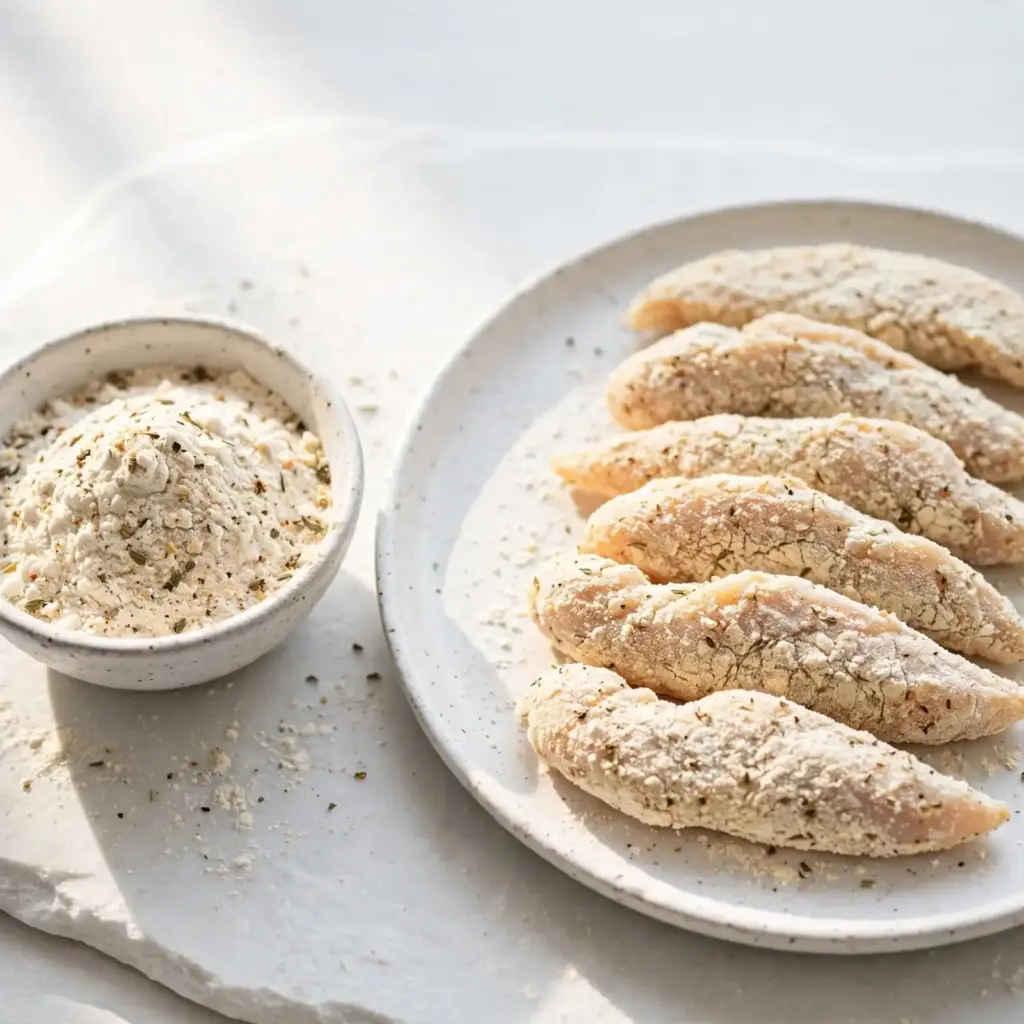
3. Fry the chicken
Heat about ½ inch of oil to 350°F. Fry the strips in batches for 5 to 7 minutes, turning halfway, until golden brown and cooked through to 165°F. Set aside on a wire rack.
Why it matters: Crowding the pan drops the oil temperature and leaves the coating soft and greasy.
4. Start the sauce
In a clean pan over medium heat, combine the soy sauce, black pepper, brown sugar, and Worcestershire sauce. Stir for 1 minute until the sugar dissolves.
5. Add the honey
Stir in the honey and keep stirring until bubbles appear across the surface, about 1 to 2 minutes.
How to know: The sauce should look glossy and coat the back of a spoon. Stay close, because honey scorches quickly.
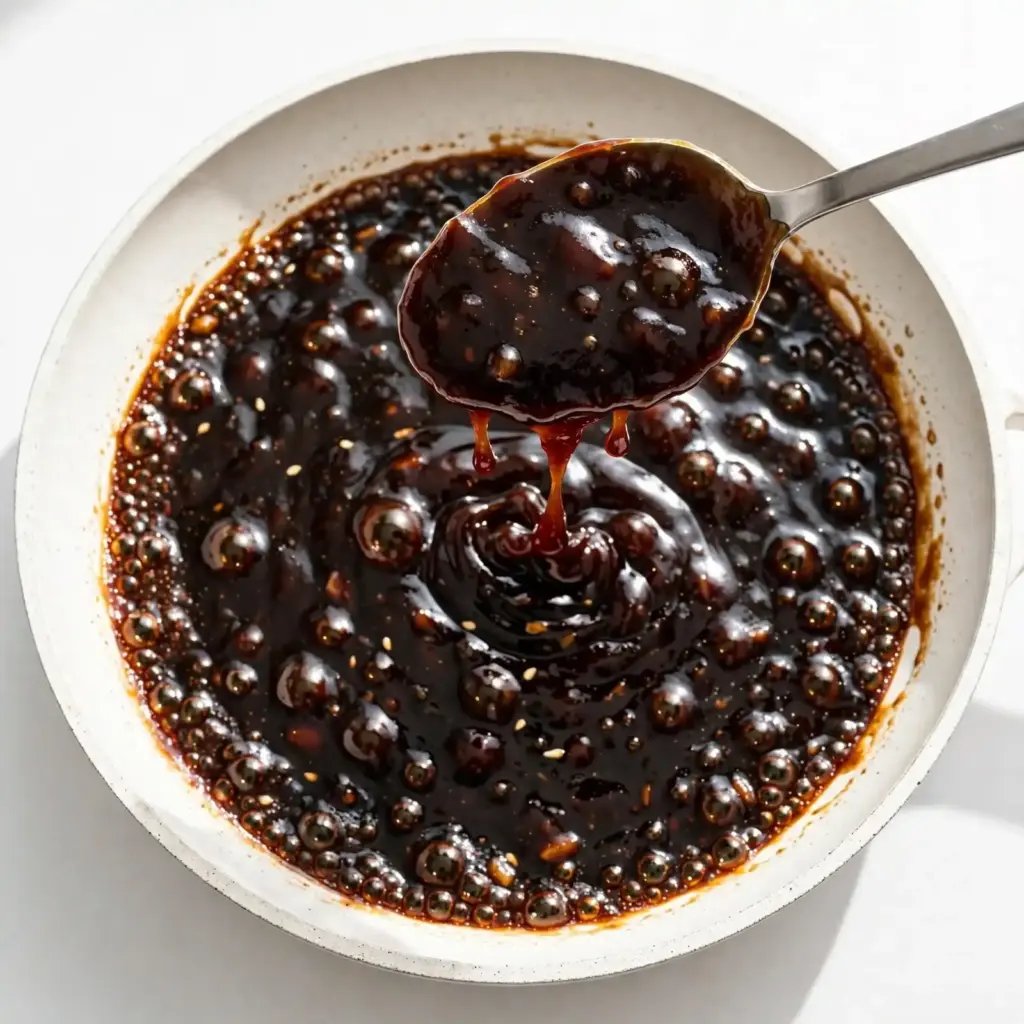
6. Toss the chicken in the glaze
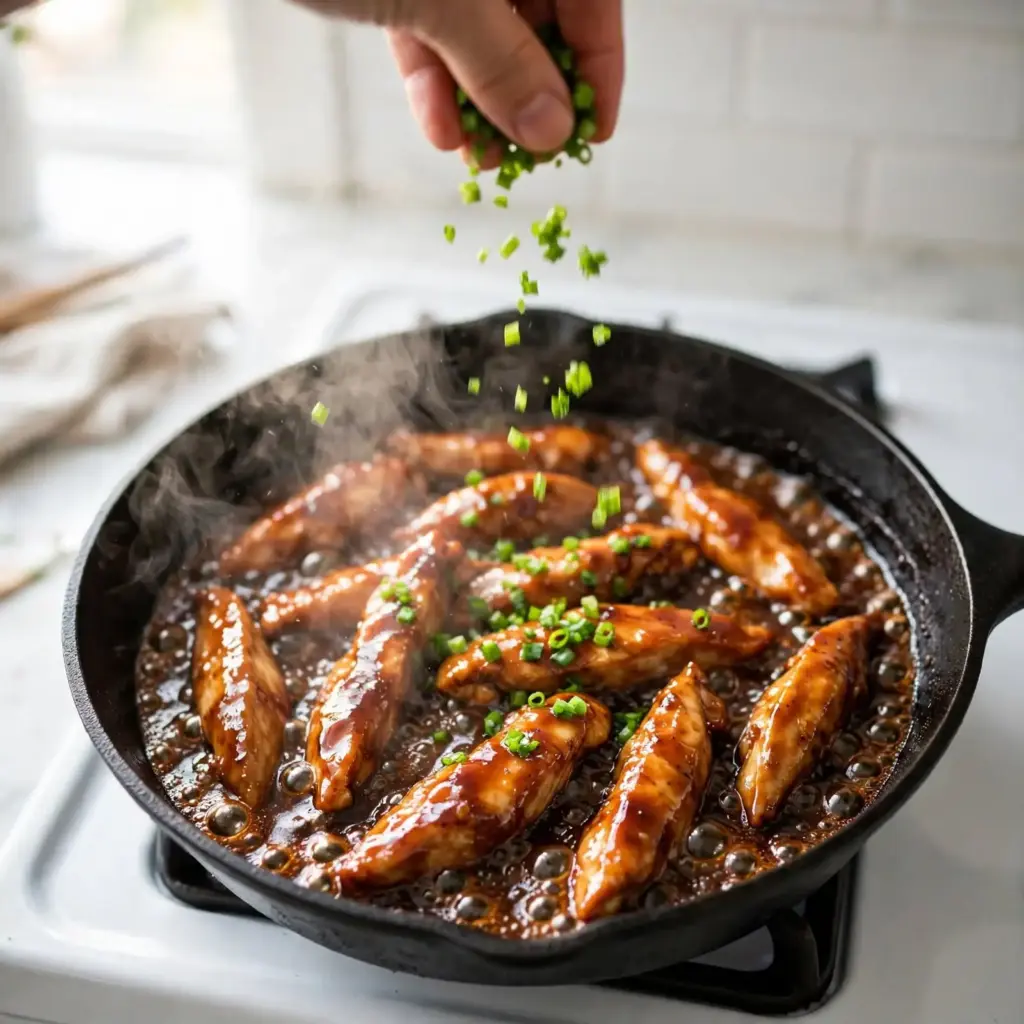
Add the fried chicken to the pan and toss over low heat for 1 to 2 minutes, until the sauce thickens and clings to every piece.
Why it matters: Keep this toss short. Longer cooking softens the crispy coating.
7. Garnish and serve
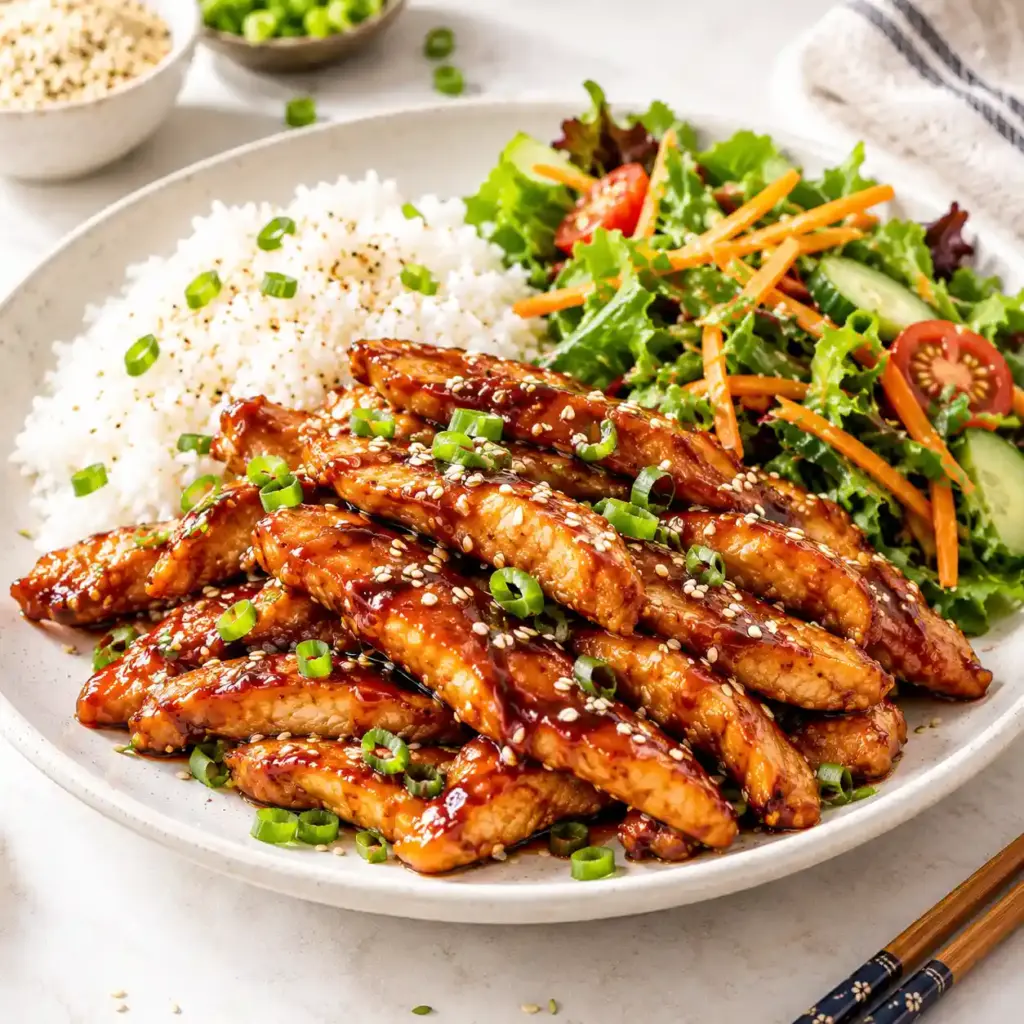
Sprinkle with sesame seeds and chopped green onions, then serve right away with rice and salad.
Recipe Card
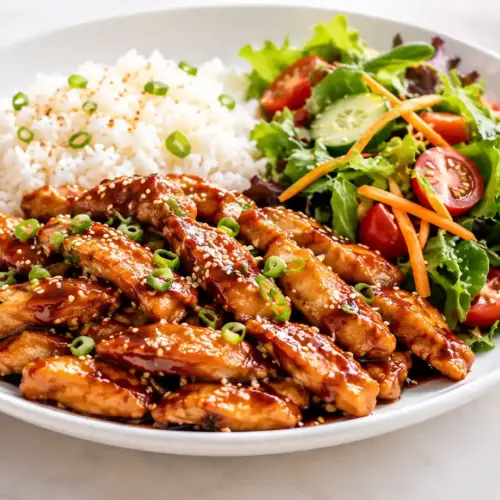
Crispy Teriyaki Chicken
Ingredients
- For the chicken:
- 1½ lb 680 g boneless, skinless chicken breasts, cut into finger-style strips
- 1 cup 125 g all-purpose flour
- 1 tsp salt or to taste
- 1 tsp black pepper powder
- Vegetable oil for frying (about 1 to 1½ cups)
- For the sauce:
- ⅓ cup soy sauce low-sodium recommended
- ½ tsp black pepper powder
- 3 tbsp packed brown sugar
- 1 tbsp Worcestershire sauce
- 3 tbsp honey
- For garnish:
- 1 tbsp sesame seeds
- 2 green onions chopped
Instructions
Teriyaki Chicken
- Add salt and black pepper powder to the all-purpose flour and mix well.
- Coat the chicken strips in the seasoned flour, shaking off any excess.
- Heat the oil to 350°F and fry the chicken in batches for 5 to 7 minutes, until golden and cooked through to 165°F. Set aside.
- In a pan over medium heat, add the soy sauce, black pepper powder, brown sugar, and Worcestershire sauce. Mix for 1 minute.
- Add the honey and stir well until bubbles appear.
- Add the fried chicken and toss until the sauce thickens and coats the chicken.
- Garnish with sesame seeds and chopped green onions.
- Serve with rice and salad.
Notes
- If the sauce gets too thick before the chicken goes in, loosen it with 1 to 2 teaspoons of water.
- For the crispiest results, glaze the chicken just before serving.
- Using regular soy sauce raises the sodium noticeably, so taste before adding extra salt anywhere.
Tips for the Best Results
Ingredient Tips
- Cut the chicken to the same thickness, about ½ inch, so no strip dries out while others finish cooking.
- Pat the chicken completely dry before dredging so the flour sticks instead of turning pasty.
- Toast the sesame seeds in a dry pan for 2 minutes until golden; the nutty flavor doubles.
Mixing Tips
- Whisk the sauce ingredients until you can’t feel sugar grains on the spoon before adding the honey.
- Toss the chicken in the glaze with a gentle folding motion so the coating doesn’t break off.
Cooking Tips
- Let the oil come back up to 350°F between batches for the crispiest teriyaki chicken.
- Lower the heat to medium-low the moment the honey goes in, since sugar burns quickly.
- Drain fried strips on a wire rack, not a flat plate, so steam doesn’t soften the underside.
Troubleshooting Guide
Why is my teriyaki chicken soggy?
Usually the chicken sat in the glaze too long or drained on a flat plate. Toss it in the sauce for only 1 to 2 minutes and serve right away.
Why did my teriyaki sauce burn?
The heat was too high once the honey went in. Keep it at medium-low and stir constantly until the bubbles appear.
Why is the sauce too thin?
It didn’t bubble long enough to reduce. Give it another minute of steady bubbling before adding the chicken.
Why is the coating falling off the chicken?
The chicken was wet, or the strips were moved too soon in the oil. Pat them dry and wait until the first side turns golden before flipping.
Why is my teriyaki chicken too salty?
Regular soy sauce plus salted flour can add up fast. Switch to low-sodium soy sauce and cut the salt in the coating in half.
Flavor Variations
Garlic-Ginger
Add 2 minced garlic cloves and 1 teaspoon grated ginger to the sauce for a more classic teriyaki aroma.
Spicy Sriracha
Stir 1 to 2 teaspoons of sriracha or a pinch of red chili flakes into the glaze for gentle heat.
Pineapple Teriyaki Chicken
Toss in ½ cup of pineapple chunks with the chicken for bright, juicy bursts of sweetness.
Orange Glaze
Swap 2 tablespoons of the honey for fresh orange juice and add a little zest for a citrusy twist.
Lighter Air Fryer Version
Spray the coated strips with oil and air fry at 400°F for 10 to 12 minutes, flipping halfway, before glazing.
Serving Options
Steamed Rice and Crisp Salad
Spoon the chicken over fluffy jasmine rice with a crunchy cucumber and cabbage salad on the side.
Fried Rice
Serve it next to a quick vegetable fried rice for a full takeout-style dinner at home.
Noodle Bowls
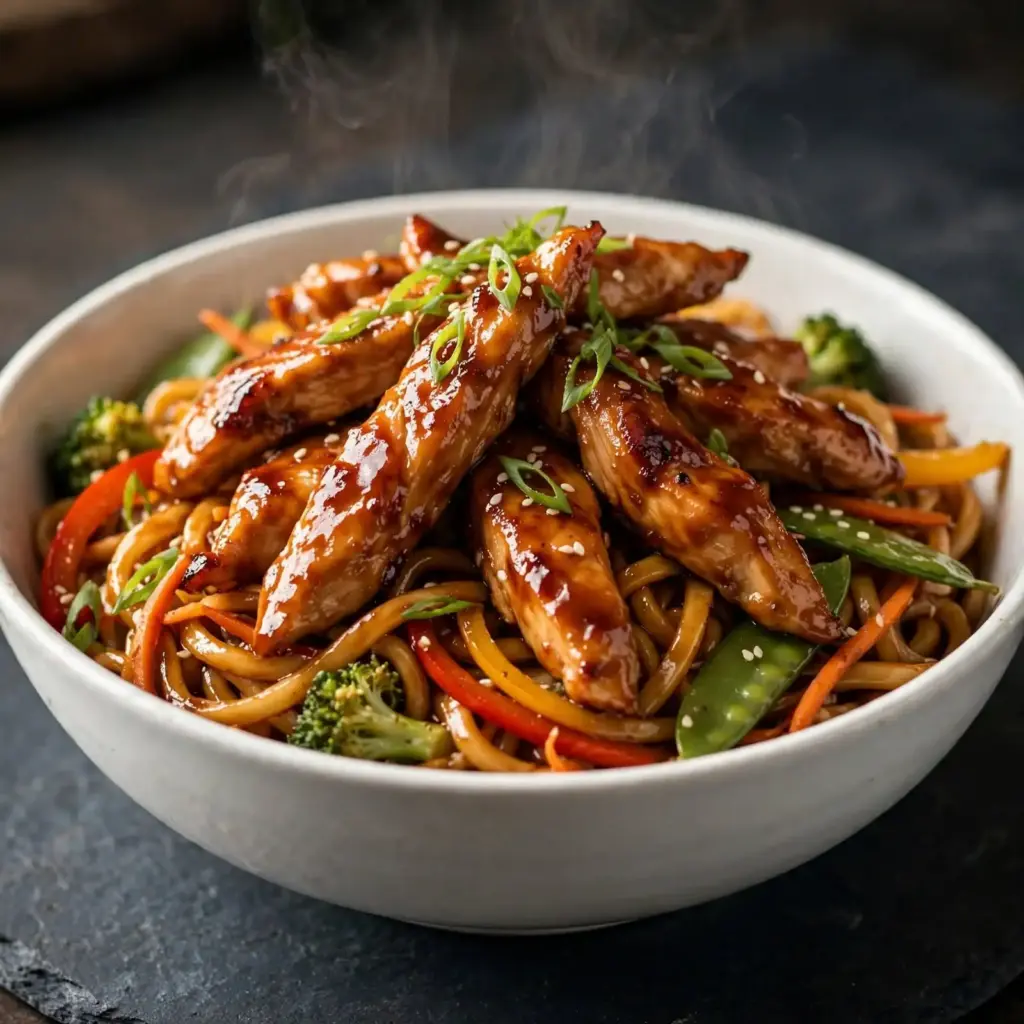
Toss the strips with lo mein or udon and a handful of stir-fried vegetables.
Lettuce Wraps
Tuck the pieces into butter lettuce cups with shredded carrots for a light, handheld bite.
Game-Day Platter
Pile the strips on a platter with toothpicks and a small bowl of extra glaze for dipping.
Storage and Freezing
Room Temperature Storage
Don’t leave cooked chicken out for more than 2 hours. Transfer leftover teriyaki chicken to an airtight container and refrigerate for up to 3 to 4 days.
Freezing
Freeze the cooled chicken in a freezer bag for up to 3 months. For the best texture, freeze the fried strips and the sauce separately, then glaze after reheating.
Thawing
Thaw overnight in the fridge. Reheat in a 375°F oven or air fryer for 8 to 10 minutes to bring back the crunch, since the microwave will soften the coating.
Frequently Asked Questions
Is teriyaki chicken healthy?
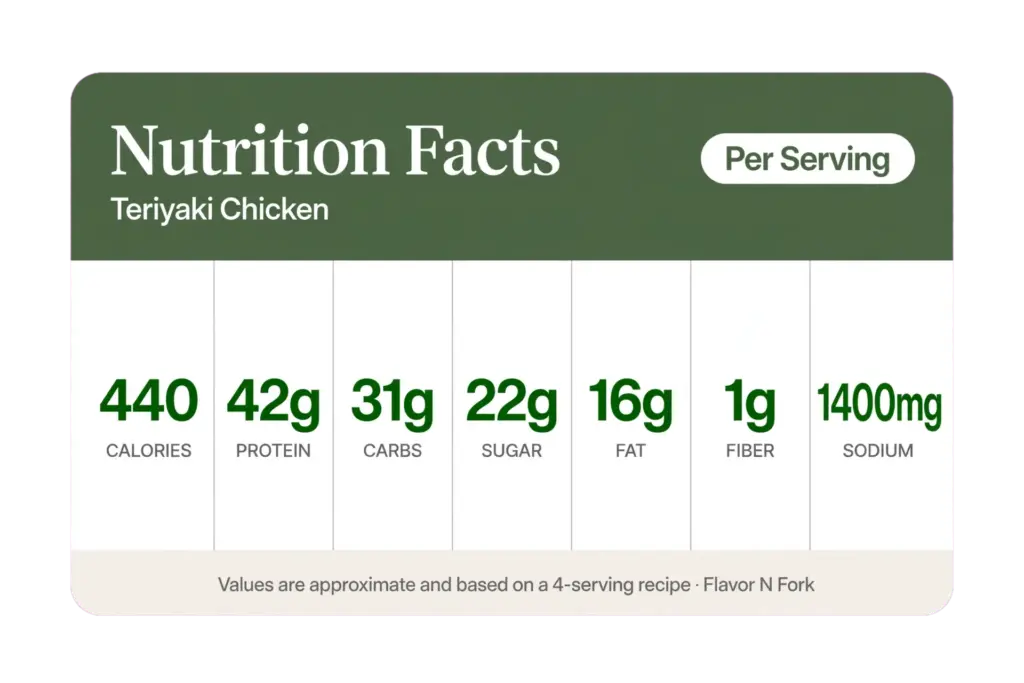
It’s a solid source of protein, but the frying, honey, and soy sauce add fat, sugar, and sodium. For a lighter plate, use the air fryer method, low-sodium soy sauce, and serve it with plenty of vegetables.
Can I make teriyaki chicken without mirin?
Yes, and this recipe does exactly that. Honey and brown sugar supply the sweetness mirin usually brings, so you get a glossy glaze with ingredients you likely already have.
Can I use chicken thighs instead of breasts?
Absolutely. Thighs stay juicier and are more forgiving; just add a minute or two to the frying time and check for 165°F.
How do I make teriyaki chicken gluten-free?
Use tamari instead of soy sauce, a gluten-free flour blend or cornstarch for the coating, and a gluten-free Worcestershire sauce. Always check the labels, since brands vary.
Can I make teriyaki chicken in the air fryer?
Yes. Coat the strips as usual, spray them with oil, and air fry at 400°F for 10 to 12 minutes before tossing them in the stovetop glaze.
Can I make the sauce ahead of time?
You can. Store it in a jar in the fridge for up to a week, then warm it gently until it bubbles before adding the chicken.
How long does teriyaki chicken last in the fridge?
It keeps for 3 to 4 days in an airtight container. Reheat it in the oven or air fryer so the coating crisps up again.
Related Recipes
If you loved this teriyaki chicken, here are a few more easy chicken dinners to try next: